Contents
Understanding European Roulette Payouts and Gameplay
European roulette offers an engaging gaming experience where players place bets on potential outcomes as the croupier spins the wheel. The primary objective is to correctly predict the final resting place of the ball after the wheel completes its rotation. Successful predictions result in payouts that are determined by the specific type of bet placed, reflecting the probability and house edge inherent in the game.
The roulette wheel and table layout
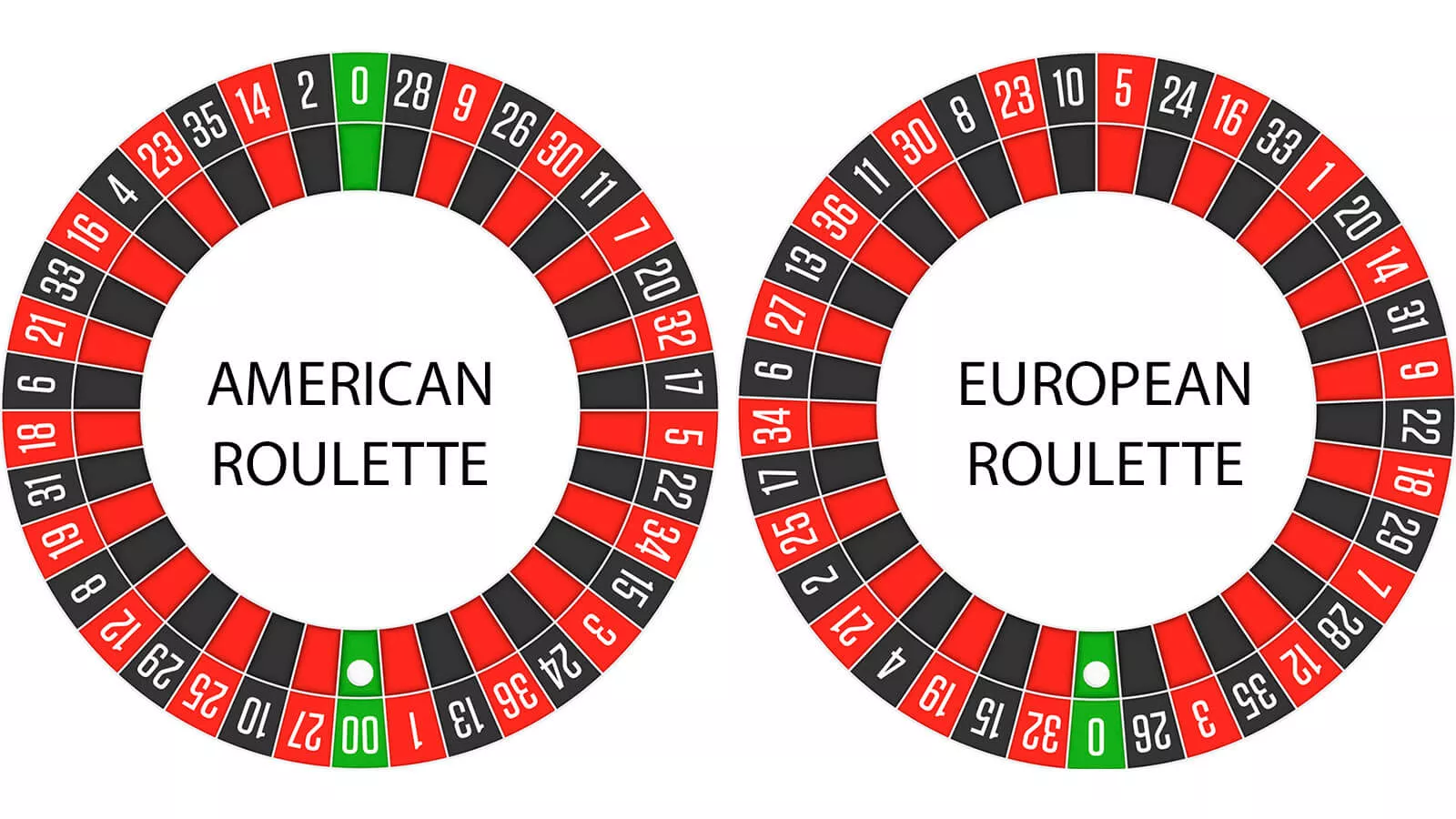
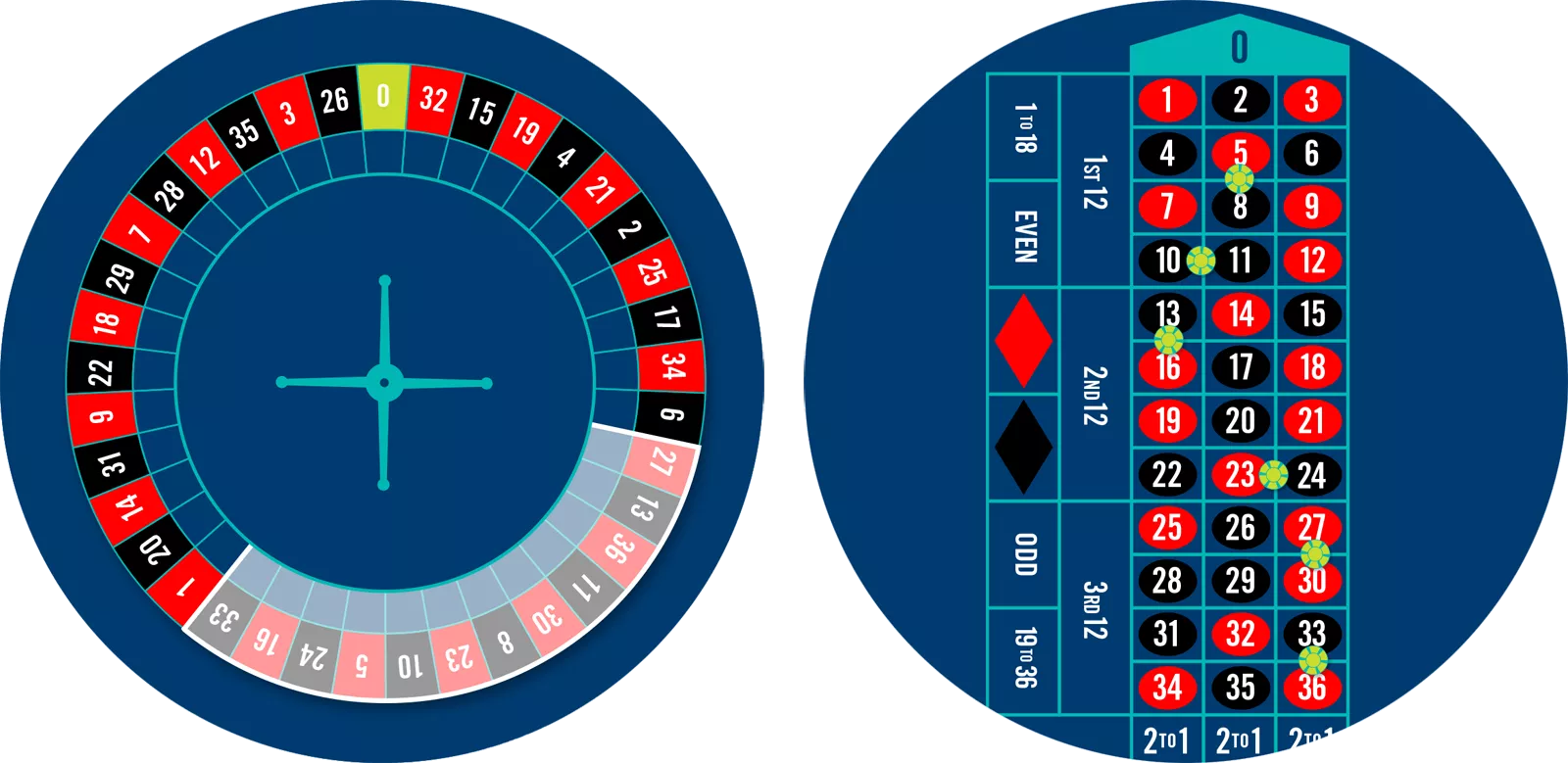
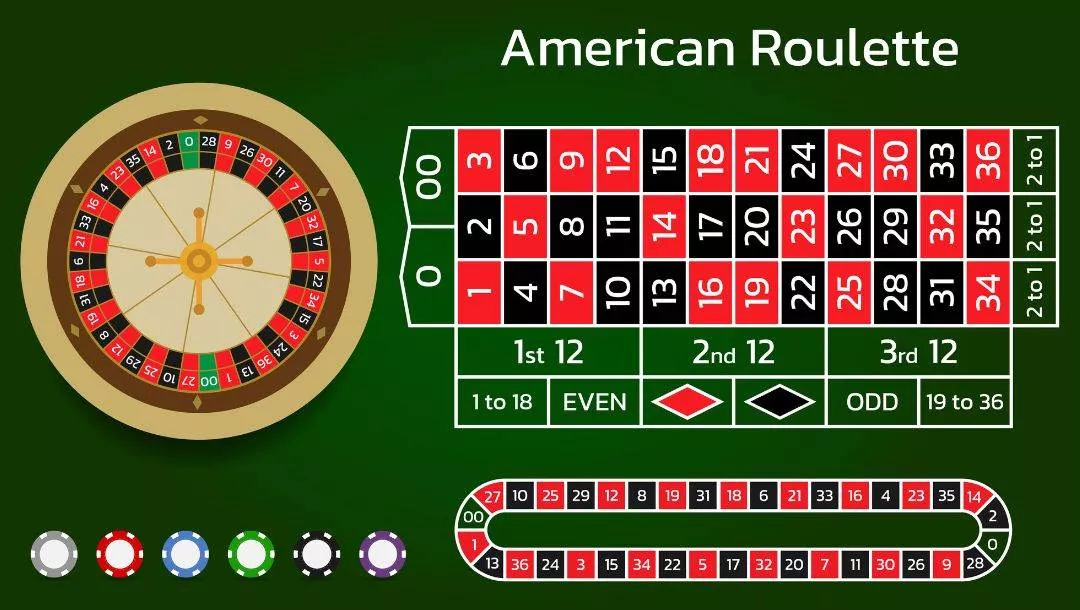
A standard European roulette wheel features 37 numbered pockets, ranging from 0 to 36, which contributes to its distinct house edge. The wheel’s layout and the accompanying betting table are designed to facilitate various wager types, including individual numbers, groups of numbers, and color-based bets. Understanding the structure and layout of the wheel and table is essential for any player aiming to optimize their betting strategy and better comprehend the roulette payout chart.
| Bet Type | European Roulette Payout |
| Single Number (Straight Up) | 35 to 1 |
| Red or Black | 1 to 1 |
| Odd or Even | 1 to 1 |
| 1st Half (1-18) | 1 to 1 |
| 2nd Half (19-36) | 1 to 1 |
| Column Bet | 2 to 1 |
| Dozen Bet | 2 to 1 |
- Familiarize yourself with the European roulette payout chart to understand the potential winnings for each bet type.
- Be aware of the European roulette house edge, which is approximately 2.7%, affecting overall profitability.
- Strategically select bets that align with your risk tolerance and leveraging knowledge of payout ratios to increase your chances of success.
Understanding Outside Bets and Their European Roulette Payout Chart
Outside bets in roulette are wagers placed on the areas located outside the numbered grid on the betting table. These bets are among the most popular choices among players due to their favourable odds and relatively straightforward betting options. By understanding the European roulette payout, players can make informed decisions that optimize their gaming experience while managing their risk effectively.
European Roulette Payout and Betting Structure
| Bet Type | European Roulette Odds | American Roulette Odds |
| Red/Black | 1:1 | 1:1 |
| Odd/Even | 1:1 | 1:1 |
| High/Low | 1:1 | 1:1 |
| Column | 2:1 | 2:1 |
| Dozen | 2:1 | 2:1 |
- Outside bets such as Red/Black, Odd/Even, and High/Low offer even money payouts, making them attractive for players seeking steadier chances of winning.
- Betting on columns and dozens provides a higher payout of 2 to 1, though the odds are proportionally lower than inside bets. This balance is critical when considering the European roulette house edge.
- Understanding the European roulette payout chart allows players to weigh potential gains against the probability of winning, ultimately leading to more strategic betting in each session.
Use this promo code for european roulette payout and get bonus.
European Roulette Payouts and House Edge Analysis
This comprehensive overview presents a detailed comparison of roulette odds and payouts for various bet types, highlighting the expected value (EV) per €1 wagered. The analysis encompasses both the European roulette variant, known for its advantageous house edge, and the American version, which features a comparatively higher house edge.
European versus American Roulette House Edge and Payout Structure
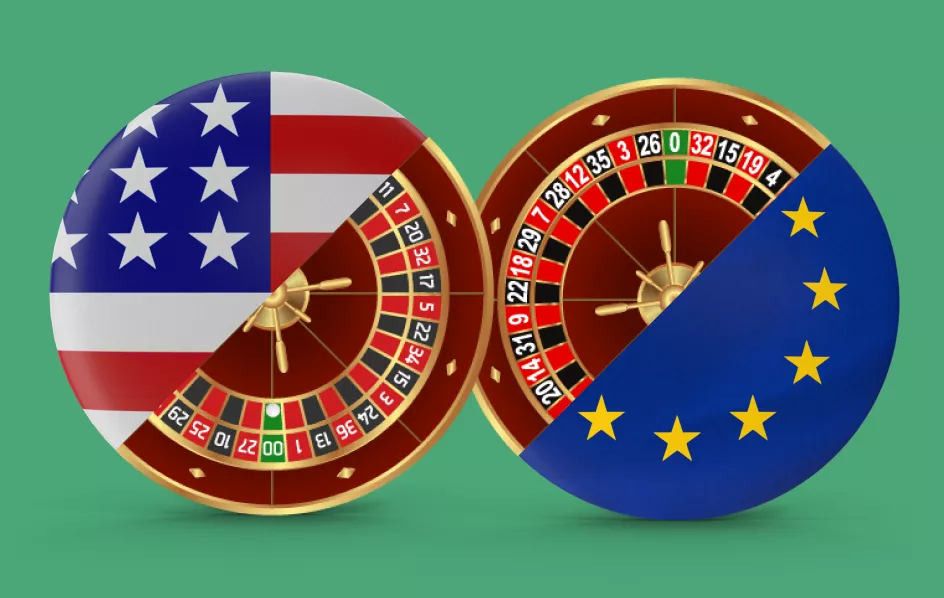
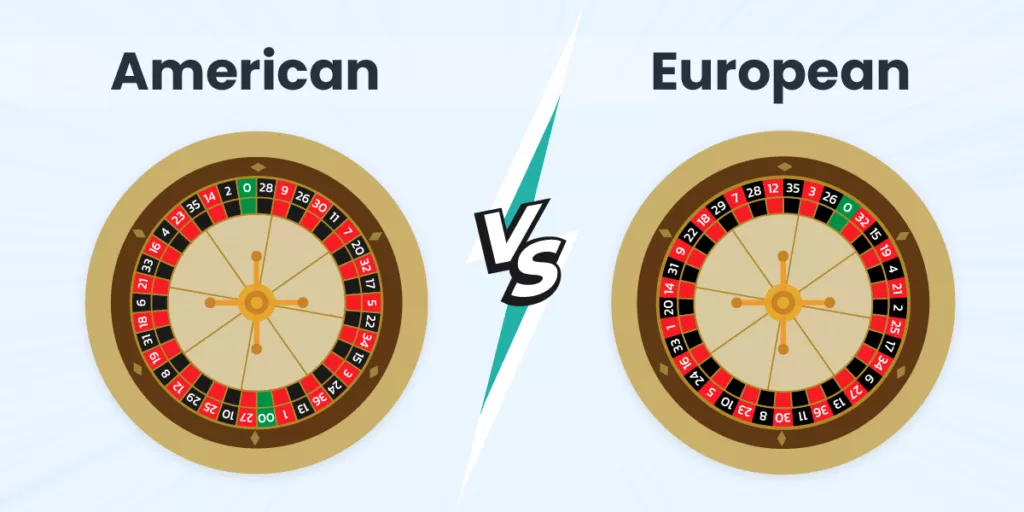
The primary distinction between these variants resides in the house edge. European roulette incorporates a single zero pocket, resulting in a house edge of approximately 2.70 percent. Conversely, American roulette includes both a zero and a double zero, elevating the house edge to approximately 5.26 percent. This difference significantly impacts the expected value for players engaging in different betting strategies.
| Bet Type | European Payout | American Payout | European House Edge |
| Straight-up (single number) | 35 to 1 | 35 to 1 | 2.70% |
| Split (two numbers) | 17 to 1 | 17 to 1 | 2.70% |
| Red or Black (even-money) | 1 to 1 | 1 to 1 | 2.70% |
| Odd or Even (even-money) | 1 to 1 | 1 to 1 | 2.70% |
- Inside bets such as straight-up or split offer higher payouts but come with lower chances of winning.
- Outside bets, including red or black and odd or even, provide better odds of winning while offering lower payouts.
- Understanding the European roulette payout chart helps players make informed betting decisions to optimise their gaming experience.
Utilize Our European Roulette Payout Calculator for Simplified Betting
For players who seek to enhance their understanding of betting strategies, our European roulette payout calculator offers an invaluable tool. Designed to assist with the complexities of roulette mathematics, this calculator enables users to quickly determine potential payout outcomes without requiring extensive manual calculations. By simply inputting the relevant values, players can gain insights into their expected returns and better tailor their betting strategies.
Advantages of Using a Roulette Payout Chart
| Bet Type | European Roulette Payout |
| Straight Bet | 35 to 1 |
| Split Bet | 17 to 1 |
| Street Bet | 11 to 1 |
| Corner Bet | 8 to 1 |
| Six Line Bet | 5 to 1 |
| Column or Dozen | 2 to 1 |
| Red or Black | 1 to 1 |
| Odd or Even | 1 to 1 |
- Enhances strategic planning by providing clear payout expectations.
- Simplifies the calculation process for players less familiar with roulette mathematics.
- Supports better decision-making by offering transparent and accessible payout information.
Strategic Advantages of La Partage and En Prison in European Roulette
European roulette distinguishes itself through specific rules known as La Partage and En Prison. These rules are designed to reduce the house edge, providing players with more favorable conditions during gameplay. La Partage applies to even-money bets, such as red or black, and allows you to retrieve half of your wager if the ball lands on zero. Conversely, the En Prison rule offers a second opportunity to recover your bet by placing it in a prison state, again benefiting players on even-money bets when the ball hits zero. Understanding these mechanisms can significantly influence your betting strategy and overall experience.
Impact on European Roulette Payout and House Edge
| Rule | Effect | House Edge Reduction |
| La Partage | Return of half bet on zero for even-money wagers | Reduces house edge from approximately 2.7% to about 1.35% |
| En Prison | Second chance to recover even-money bet | Further diminishes the house edge, nearly halving it |
- Gain a strategic advantage by understanding the application of La Partage and En Prison rules.
- Recognize that these rules are exclusive to European roulette, resulting in a lower house edge compared to other variants.
- Utilize knowledge of these rules to optimize your betting decisions and enhance your chances of winning.
Understanding European Roulette Payouts and Odds
In the realm of casino gaming, roulette is recognized as a game of pure chance. A comprehensive understanding of the various bet types and their associated payouts is essential for informed play. Knowledge of how odds influence potential winnings enables players to select bets strategically. This guide provides an detailed overview of the european roulette payout chart and the factors that impact your chances of winning.
Calculating Winnings and Comprehending Payout Structures
A clear grasp of roulette payout ratios is vital for planning your betting strategy. For example, a successful straight-up or single number bet in European roulette offers a payout of 35 to 1. These bets are the highest payout options available and are placed on individual numbers. Other outside bets, such as betting on red or black, or odd or even, typically pay out at 1 to 1. Understanding these payout ratios allows players to evaluate the risk-to-reward balance effectively.
| Bet Type | European Roulette Payout |
| Single Number (Straight-up) | 35 to 1 |
| Red or Black | 1 to 1 |
| Odd or Even | 1 to 1 |
| 1-18 or 19-36 | 1 to 1 |
- The odds of landing on red or black in European roulette are approximately 48.6% due to the presence of a single green zero, which slightly improves the odds compared to American roulette.
- European roulette features a house edge of approximately 2.64%, offering relatively favorable odds for players.
- While betting on green zero or double zero in American roulette can result in higher payouts, these bets carry increased risks because of their lower probabilities.
Understanding the European Roulette Payout and House Edge
A comprehensive understanding of casino games begins with an analysis of the different roulette wheel types and their associated advantages. The key concept that influences player strategy is the house edge - the statistical advantage the casino maintains over players. This measure ensures the casino's profitability over time and affects the likelihood of individual winning outcomes. Recognizing this parameter is essential for players aiming to make informed bets.
European Roulette Payout Chart and Its Impact
European roulette features a single zero pocket, which significantly impacts the European roulette payout and overall game dynamics. With a house edge of approximately 2.7%, it offers more favorable odds compared to other variants. The European roulette payout chart reflects these probabilities, emphasizing the advantage of selecting this roulette version for better long-term prospects. A lower house edge directly correlates with more advantageous betting conditions, enabling players to potentially extend their gameplay and manage their bankroll more effectively.
| Roulette Variant | House Edge |
| European Roulette | approx. 2.7% |
| American Roulette | approx. 5.26% |
- Choosing European roulette can improve your betting odds due to its lower house edge.
- A thorough understanding of the European roulette payout chart helps players assess potential winnings.
- Being aware of the house edge allows players to adjust their expectations and develop responsible gaming strategies.
European Roulette Payout Chart and House Edge Analysis
Welcome to our comprehensive guide on European Roulette, where we provide detailed insights into the game’s payout structure and house edge. Understanding the European roulette payout chart is essential for players seeking to make informed betting decisions and optimize their gaming strategies in a casino setting. This guide aims to enhance your knowledge of the game’s fundamental probabilities and the corresponding payouts, fostering a more strategic approach to play.
European Roulette Payout Chart Explained
| Bet Type | Payout Ratio | Probability | Number of Numbers |
| Straight Up | 35:1 | 2.70% | 1 number |
| Split | 17:1 | 5.41% | 2 numbers |
| Street | 11:1 | 8.11% | 3 numbers |
| Corner | 8:1 | 10.81% | 4 numbers |
| Line | 5:1 | 16.22% | 6 numbers |
| Column / Dozen | 2:1 | 32.43% | 12 numbers |
| Even Money | 1:1 | 48.65% | 18 numbers |
- The payout ratios indicate the potential winnings relative to your bet for each betting type.
- Probabilities are based on the number of winning outcomes divided by the total number of pockets (37 in European roulette).
- Understanding the payout chart enables players to evaluate risk versus reward for different bets.
European Roulette House Edge and Strategy
One of the key considerations in European roulette is its house edge, which typically stands at 2.70%. This low house edge makes European roulette an attractive option for players, providing better odds compared to other roulette variations. Recognizing the house edge allows players to develop more effective betting strategies, potentially reducing the casino's advantage and increasing the chances of sustained play.
Comprehensive Guide to European Roulette Payouts and Gameplay
European roulette remains one of the most popular and captivating casino games globally, attracting both newcomers and seasoned players. Its widespread appeal is attributed to the potential for substantial payouts relative to minimal wagers, making it an engaging choice for those seeking excitement and the opportunity for significant winnings. Understanding the fundamentals of gameplay and the associated odds is essential for maximizing the gaming experience.
Understanding the European Roulette Payout Chart
| Bet Type | Payout |
| Single Number (Straight Up) | 35 to 1 |
| Red or Black | 1 to 1 |
| Odd or Even | 1 to 1 |
| Low or High (1-18 / 19-36) | 1 to 1 |
| Column Bet | 2 to 1 |
| Dozen Bet | 2 to 1 |
- The European roulette payout chart details the potential returns for various bets, providing players with crucial information for making informed wagering choices.
- A fundamental aspect of the game is understanding the house edge, which in European roulette is typically lower compared to other variants, offering more favorable odds for players.
- Knowledge of the European roulette payout can significantly influence betting strategies and overall success at the gaming table.
European Roulette: Latest articles
European roulette strategy
Discover proven European roulette strategy techniques to boost your chances of winning and make smarter bets on the spinning wheel.
European roulette wheel
Discover the features of the European roulette wheel and improve your game with tips on numbers, layout, and strategies for better chances.
European roulette game
Discover the thrill of European roulette game with classic gameplay, realistic graphics, and exciting betting options. Play now for fun or real stakes.
European Roulette Payout and Odds Analysis
European roulette offers a consistent house edge of 2.70% across all betting options. The fundamental distinction among various bets lies in the risk-reward balance: inside bets tend to cover fewer numbers and offer higher payouts, whereas outside bets encompass broader number selections with correspondingly lower returns.
European Roulette Payout Chart and House Edge
| Bet Type | Numbers Covered | Payout | European roulette payout | Probability |
| Straight Up | 1 | 35 to 1 | 2.70% | 1 in 37.0 |
| Split | 2 | 17 to 1 | 5.41% | 1 in 18.5 |
| Street | 3 | 11 to 1 | 8.11% | 1 in 12.3 |
| Corner | 4 | 8 to 1 | 10.81% | 1 in 9.3 |
| Line (Double Street) | 6 | 5 to 1 | 16.22% | 1 in 6.2 |
| Column | 12 | 2 to 1 | 32.43% | 1 in 3.1 |
| Dozen (1-12, 13-24, 25-36) | 12 | 2 to 1 | 32.43% | 1 in 3.1 |
| Red / Black | 18 | 1 to 1 | 48.65% | 1 in 2.1 |
| Odd / Even | 18 | 1 to 1 | 48.65% | 1 in 2.1 |
| High (19-36) / Low (1-18) | 18 | 1 to 1 | 48.65% | 1 in 2.1 |
- All bets in European roulette maintain an advantageous house edge of 2.70%, providing players with consistent odds regardless of bet type.
- The European roulette payout chart illustrates the relationship between bet types, coverage, and expected returns, enabling players to strategically evaluate risk and reward.
- Understanding the probabilities associated with each bet helps optimize your gameplay experience while appreciating the fairness embedded within the European roulette payout structure.